Traditional Asian Tattoos: Where Skin Becomes a Vessel for the Eastern Soul
Discover the deep spiritual meaning behind traditional Asian tattoos — from Dong Son bronze drums to dragons and phoenixes — and how that heritage lives on at Crimson Tattoo Studio, Hanoi.
Long before it became art, the tattoo was a prayer. Centuries before ink touched a modern sketchbook, the ancient Vietnamese carved protective patterns into their own skin — a spiritual language written in needle and ink, spoken to gods, ancestors, and the sea.
The Body as Record: A Thousand Years of Vietnamese Tattoo Tradition
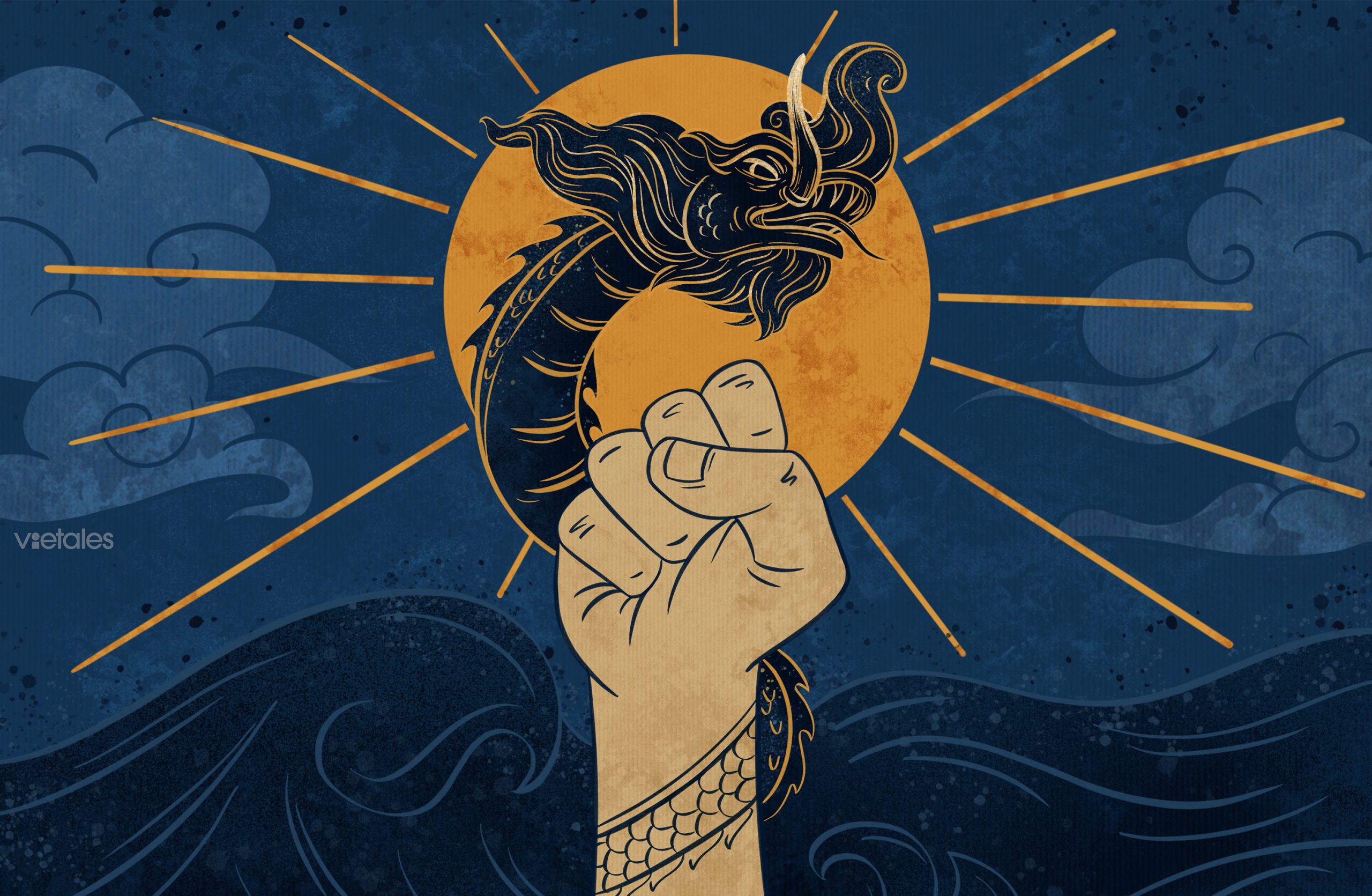
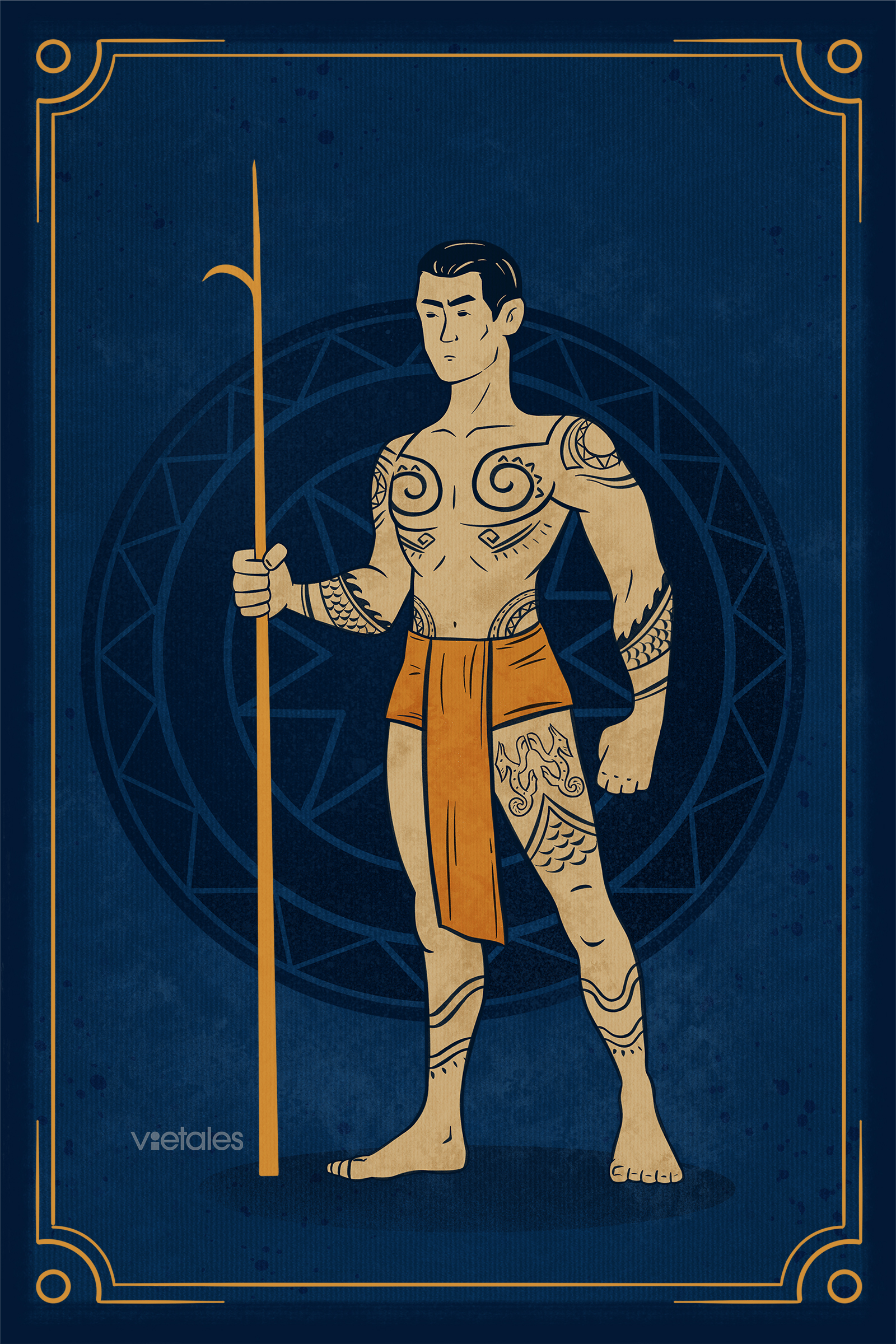
The Vietnamese tradition of body tattooing dates back to the Hung Kings era, as recorded in ancient chronicles: fishermen tattooed dragon-like creatures onto their skin to blend into the water and ward off river spirits while working the currents. This was never mere decoration — it was a living talisman, rooted in an animist worldview shared by river and sea communities.
From that same era, the bronze Dong Son drums bear spirals, Lac bird wings, and radiating suns — an ancient symbolic language still regarded today as the aesthetic root of traditional Vietnamese tattoo art.
The Spiritual Meaning Behind Traditional Asian Tattoos
Across Asia, every tattoo motif carries its own layer of spiritual meaning:
- Dragon — power, transformation, sovereign energy
- Phoenix — rebirth, nobility, endurance
- Lotus — purity rising from the mud, enlightenment
- Tiger — protection, warding off malevolent spirits
- Brocade patterns — communal identity, generational continuity
- Han-Nom calligraphy — moral teaching, philosophical inscription
This is why the spiritual meaning of traditional Asian tattoos has always reached far beyond aesthetics alone — every line of ink is a declaration of belief, of roots.
From Ancient Ritual to Contemporary Art
Tattoos today no longer serve as talismans for fishermen heading out to sea, but their essence hasn't changed: they remain a way for people to inscribe an indelible part of their story onto their own body. Modern styles like fineline, blackwork, and traditional are simply new languages for old symbols — where contemporary technique meets centuries of cultural depth.
A tattoo carrying genuine spiritual weight today doesn't need to be elaborate to hold meaning — what matters is that it tells the right story, for the right person, through the right hands.
Crimson — Where Heritage Is Etched to Stay
At Crimson Tattoo Studio, Hanoi, we believe Eastern heritage shouldn't live in museums alone — it deserves to keep breathing on the skin of the people carrying it forward. From Dong Son drum motifs to brocade patterns and traditional calligraphy, every design at Crimson is a dialogue between past and present.
We don't copy heritage — we reinterpret it, in the language of contemporary tattoo art, for those who want to carry their roots with them for life.
Where Art Meets Skin.
Book a consultation with the Crimson artist team and begin etching your own story.
Crimson Ink Studio sits on the second floor of an old house at 98 Quan Thanh, right in the heart of the Old Quarter, creating a hidden gem experience.